
Integrated Trucking and Warehousing
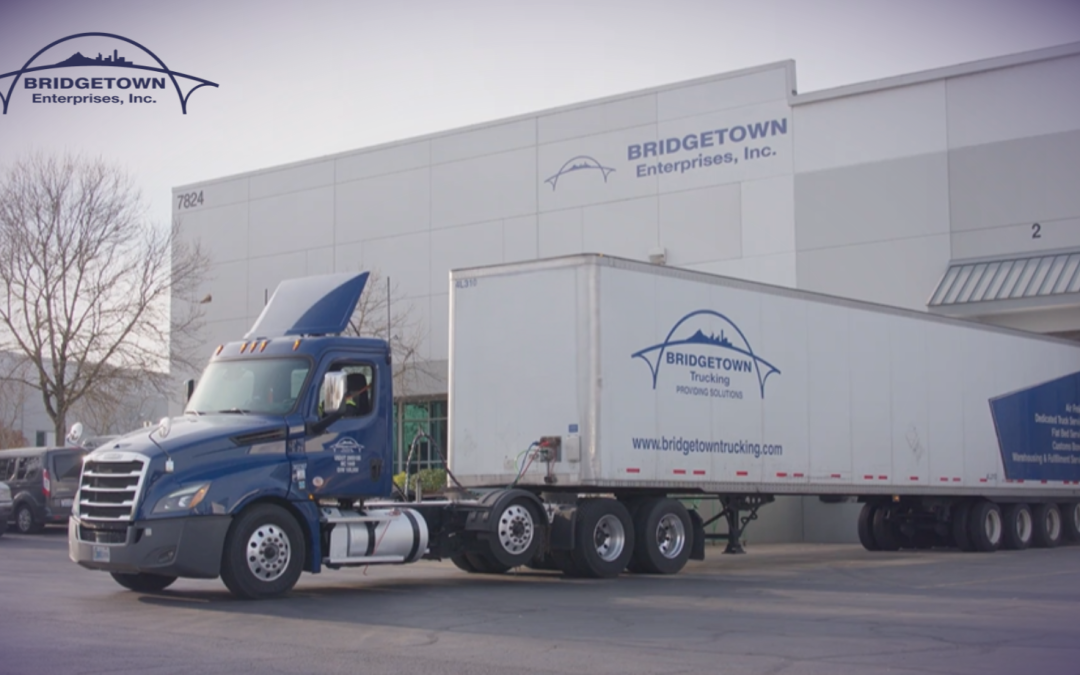
Bridgetown operates integrated trucking and warehousing as one system.
Freight delays rarely begin with damaged freight or a missed delivery. More often they begin at the handoff.
One company runs the warehouse. Another runs the trucks.
The arrangement works when everything goes according to plan. Containers arrive on time. Dock schedules hold. Deliveries leave as expected.
Then something shifts.
A container arrives late.
A dock appointment moves.
A delivery window tightens.
Now several companies need to coordinate the same adjustment.
That’s where the system slows down.
The delay itself usually isn’t the problem. The coordination is.
Bridgetown handles that situation differently. Warehousing and trucking operate inside the same organization, so adjustments happen inside the same conversation.
When Several Vendors Are Involved
A typical freight move passes through several hands.
Port → warehouse → carrier → distribution center.
Each step introduces another dispatcher, another schedule, and another set of priorities.
When the plan holds, the process runs smoothly. When conditions change, communication becomes the limiting factor. Phone calls begin. Schedules move. Decisions take longer than they should.
Small disruptions start multiplying.
What Integration Actually Changes
Integration does not eliminate delays. Freight will always face unpredictable conditions.
What integration changes is the response.
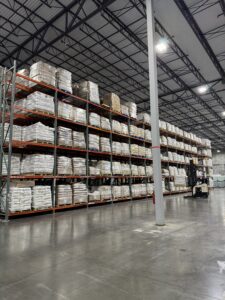
Warehouse supervisors see when freight is staged and ready to load. Dispatch sees which trucks are available. Drivers communicate directly with the warehouse floor.
Instead of negotiating across vendors, the same team adjusts the plan immediately.
Dock schedules move.
Trucks get reassigned.
Freight leaves as soon as it’s ready.
“When the warehouse and the trucks are part of the same operation, dock schedules and delivery plans can adapt in minutes instead of hours.”
— Mike Cyrus, Terminal Manager – St. Louis
Where This Matters Most
Some freight leaves very little room for error.
Food and beverage shipments.
Organic-certified products.
Imported goods held under customs bond.
These shipments depend on clear documentation and disciplined handling. Procedures matter. Records matter. Consistency from receiving through delivery matters.
When the warehouse and the trucking operation sit under the same roof, that discipline holds from the first pallet to the final delivery.
Fewer handoffs.
Fewer opportunities for confusion.
The Bridgetown Model
Bridgetown operates asset-based warehousing and trucking in Portland, Oregon and St. Louis, Missouri. Each terminal follows the same model: the building, the trucks, and the people moving the freight belong to the same organization.
Conditions change every day in logistics. Containers arrive late. Delivery windows tighten. Traffic shifts schedules.
When those moments happen, the warehouse floor and dispatch solve the problem together.
Take a late inbound container: Warehouse supervisors adjust the dock schedule while dispatch coordinates outbound deliveries. The response happens inside one operation instead of across several companies.
The adjustment is faster. The responsibility is clear.
Reliability Comes From Coordination
Freight will always encounter surprises. Weather slows roads. Ports back up. Equipment fails.
Integrated operations do not remove those realities. They make the response faster and more coordinated.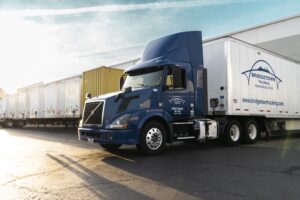
Run the warehouse well.
Run the trucks well.
Keep the two connected.
That’s how freight moves smoothly from dock to road.
If you’re ever curious how this works in practice, you’re always welcome to visit and see the warehouse and the trucks firsthand.